Anxiety disorders can significantly impact daily life, affecting work productivity, relationships, sleep quality, and emotional health. People struggling with anxiety may experience symptoms such as excessive worry, panic attacks, restlessness, racing thoughts, rapid heartbeat, and difficulty concentrating. While therapy and lifestyle changes remain important long-term treatment options, medications are often prescribed when symptoms become severe or difficult to control. One commonly prescribed medication for anxiety relief is Ativan, also known by its generic name lorazepam. Many people searching for fast anxiety relief also look for terms like buy Ativan online, prescription anxiety medication, or lorazepam for panic attacks.
Ativan belongs to the benzodiazepine class of medications, which work by calming the brain and central nervous system. It is widely known for its fast-acting effects, helping many individuals feel calmer within a short period after taking a dose. Doctors may prescribe Ativan for generalized anxiety disorder (GAD), panic attacks, anxiety-related insomnia, and severe stress symptoms. Unlike some antidepressants that can take weeks to become effective, Ativan often provides rapid relief, making it useful for acute anxiety episodes. Because of this quick action, many users search online for phrases such as buy Ativan online for anxiety, lorazepam dosage guide, and fast-acting anxiety medication.
Although Ativan can be highly effective for short-term anxiety management, it also carries important risks and precautions. Long-term or improper use may lead to tolerance, dependence, withdrawal symptoms, and other serious side effects. For this reason, it is essential to understand how the medication works, proper dosage guidelines, possible interactions, and safe usage practices before considering treatment. In this complete guide, we’ll explain everything you need to know about Ativan for anxiety, including benefits, dosage recommendations, side effects, costs, safety tips, and what to know before trying to buy Ativan online.
What Is Ativan (Lorazepam)?
Ativan is a prescription medication that contains the active ingredient lorazepam. It is classified as a benzodiazepine, a type of drug that affects the central nervous system by enhancing the activity of a calming neurotransmitter called GABA (gamma-aminobutyric acid). GABA naturally helps reduce excessive brain activity, which is why medications like Ativan can produce calming, sedative, and anti-anxiety effects.
Doctors commonly prescribe Ativan for the short-term treatment of anxiety disorders, panic attacks, and severe stress-related symptoms. Because of its calming and sedative effects, it is also frequently used before certain medical or dental procedures to help patients feel more relaxed. In some situations, healthcare providers may prescribe lorazepam for anxiety-related insomnia, agitation, or seizure management. Due to its fast-acting nature, many individuals searching for quick anxiety relief often look for terms like buy Lorazepam online, lorazepam for panic attacks, or prescription anxiety medication online.
Ativan is available in tablet, liquid, and injectable forms. The medication can be prescribed under the brand name Ativan or as generic lorazepam, which is often more affordable. While both forms contain the same active ingredient, pricing and availability may differ depending on the pharmacy and insurance coverage. Regardless of the form, the medication should only be used exactly as prescribed by a healthcare provider.
How Does Ativan Work for Anxiety?
Anxiety is closely linked to overactivity in certain areas of the brain. People with anxiety disorders often experience excessive nerve signaling, leading to constant worry, tension, and panic symptoms. Ativan works by increasing the effects of GABA, which slows down nerve activity and helps create a calming effect on the brain and body.
Once Ativan enters the bloodstream, it begins reducing excessive nervous system activity. This can help lower feelings of fear, nervousness, and panic. Many individuals notice that their muscles feel more relaxed, their thoughts become calmer, and their heart rate slows down after taking the medication. Because of this rapid calming effect, Ativan is especially useful for people dealing with panic attacks or severe anxiety episodes.
One reason Ativan is widely prescribed is because it often begins working within 20 to 60 minutes. This makes it significantly faster than many antidepressants used for anxiety treatment, which may take weeks before showing noticeable benefits. However, while Ativan is effective for short-term symptom control, it is generally not considered a long-term solution because of the risks associated with extended benzodiazepine use.
Benefits of Ativan for Anxiety
1. Fast-Acting Relief
One of the most significant benefits of Ativan is how quickly it can reduce anxiety symptoms. People experiencing severe anxiety or panic attacks often need immediate relief, and Ativan’s rapid onset makes it highly effective in these situations. Many users report feeling calmer and more relaxed within an hour after taking the medication.
Fast relief can be especially beneficial during stressful situations such as public speaking, travel anxiety, medical procedures, or panic episodes. Unlike long-term anxiety medications that require consistent daily use for weeks, Ativan can provide short-term support during particularly difficult moments. This immediate calming effect is one reason healthcare providers frequently prescribe it for acute anxiety management.
However, because of this fast-acting effect, some individuals may become psychologically dependent on the medication if they rely on it too frequently. This is why doctors usually recommend short-term or occasional use rather than daily long-term treatment unless carefully monitored.
2. Helps With Panic Attacks
Panic attacks can cause intense physical and emotional symptoms, including chest tightness, dizziness, shortness of breath, trembling, sweating, and overwhelming fear. These episodes can feel frightening and may interfere with normal daily activities. Ativan is commonly used because it can rapidly reduce the severity of panic symptoms.
The medication works by calming the nervous system and reducing the body’s “fight or flight” response. This helps slow rapid heartbeat, reduce physical tension, and create a sense of calm during panic episodes. For many people, this can make panic attacks feel more manageable and less overwhelming.
Because panic attacks can occur unexpectedly, doctors sometimes prescribe Ativan as an “as-needed” medication rather than for daily use. This allows patients to use it during severe episodes while minimizing long-term risks associated with continuous benzodiazepine treatment.
3. Improves Sleep and Relaxation
Anxiety and sleep problems often occur together. Racing thoughts, stress, and nervousness can make it difficult to fall asleep or stay asleep throughout the night. Ativan’s sedative properties can help relax the body and mind, making sleep easier for individuals experiencing anxiety-related insomnia.
Improved sleep may also help reduce daytime anxiety symptoms. Poor sleep quality can worsen stress levels, irritability, concentration problems, and emotional instability. By helping users achieve better rest, Ativan may indirectly improve overall mental well-being in the short term.
Despite these benefits, Ativan is not usually recommended as a long-term sleep aid. Over time, the body can develop tolerance to its sedative effects, meaning higher doses may be required to achieve the same level of relaxation or sleep support. This increases the risk of dependence and side effects.
Ativan Dosage Guide
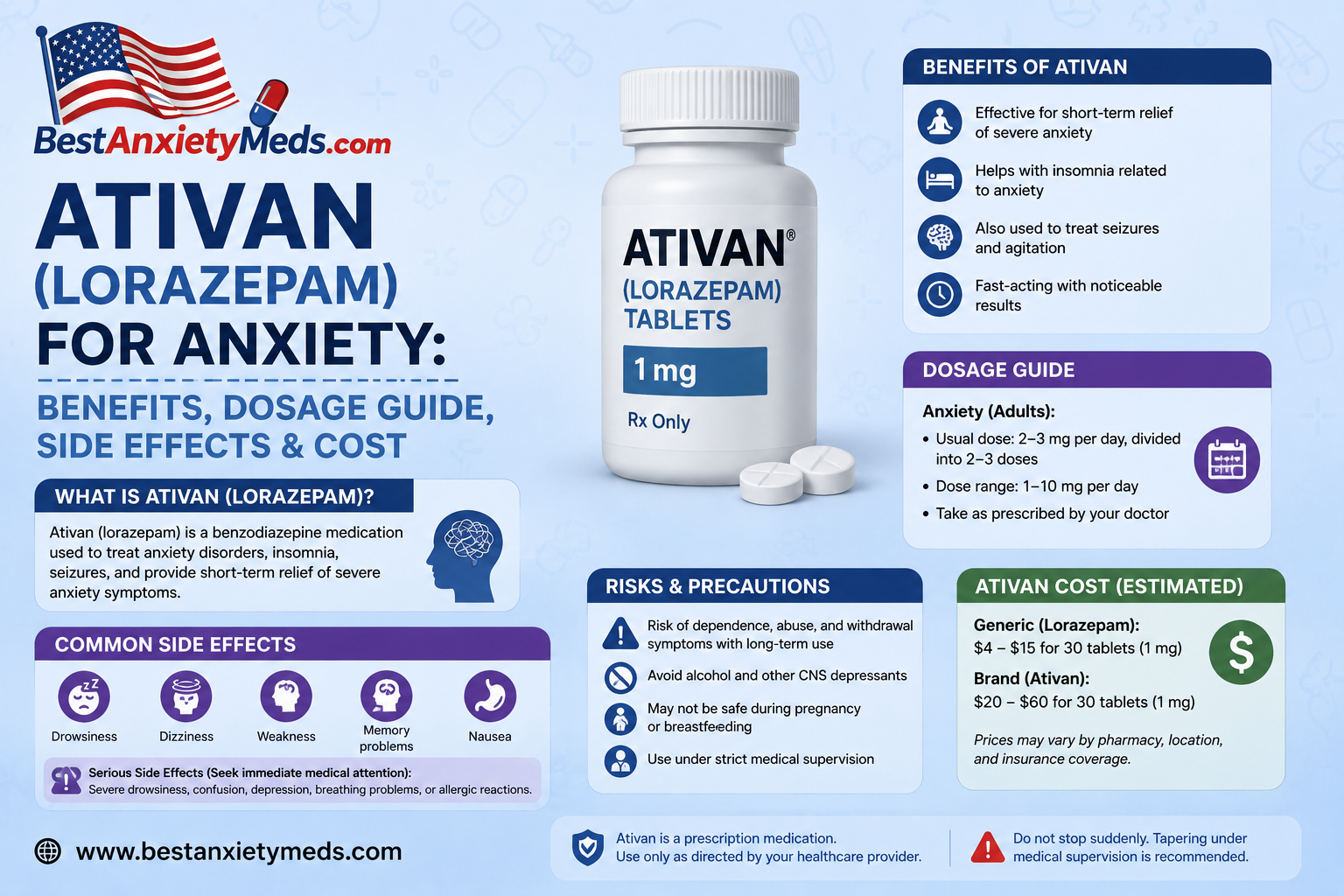
The correct Ativan dosage depends on several factors, including age, medical history, anxiety severity, and response to treatment. Healthcare providers typically begin with the lowest effective dose to reduce the risk of side effects and dependence. For anxiety treatment, common starting doses may range from 0.5 mg to 1 mg taken two or three times daily.
Some individuals with severe panic attacks or intense anxiety symptoms may require dosage adjustments. However, increasing the dose without medical supervision can be dangerous. Higher doses increase the risk of excessive sedation, confusion, breathing problems, and overdose. This is why Ativan should only be taken exactly as prescribed.
Doctors usually recommend short-term use whenever possible. If long-term treatment becomes necessary, regular follow-up appointments are important to monitor effectiveness, side effects, and potential signs of dependence. Abruptly stopping the medication after prolonged use can trigger withdrawal symptoms, so tapering schedules are often recommended when discontinuing treatment.
Side Effects of Ativan
Like most medications, Ativan can cause side effects. Some are mild and temporary, while others may become more serious depending on the dosage and duration of use. The most commonly reported side effects include drowsiness, dizziness, weakness, fatigue, and slowed reaction time.
Some individuals may also experience memory problems, confusion, or difficulty concentrating while taking Ativan. Because the medication affects brain activity, it can impair coordination and alertness, increasing the risk of falls or accidents. This is especially important for older adults, who may be more sensitive to benzodiazepines.
Serious side effects are less common but can occur. These may include severe breathing problems, extreme sedation, mood changes, allergic reactions, or unusual behavior changes. Combining Ativan with alcohol, opioids, or other sedatives significantly increases these risks and can lead to life-threatening complications.
Cost of Ativan
The cost of Ativan depends on several factors, including whether you choose the brand-name version or generic lorazepam. Generic medications are generally much more affordable and are widely available at most pharmacies. Insurance coverage may also significantly affect the final price.
Prices can vary depending on:
- Dosage strength
- Quantity prescribed
- Pharmacy location
- Insurance benefits
People without insurance may benefit from prescription discount programs or pharmacy savings cards. Comparing prices at multiple pharmacies can sometimes help reduce costs substantially.
While cost is important, patients should never purchase Ativan from unverified or illegal online sources. Counterfeit medications can be dangerous and may contain harmful ingredients.
Conclusion
Ativan (lorazepam) is a fast-acting medication that can effectively reduce anxiety, panic attacks, and anxiety-related sleep problems. Its calming effects make it useful for short-term relief during severe anxiety episodes, especially when immediate symptom control is needed. Many people benefit from its rapid onset and ability to quickly reduce nervous system overactivity.
However, Ativan also carries important risks, including dependence, withdrawal symptoms, sedation, and potential misuse. Because of these concerns, it is generally intended for short-term use under medical supervision. Long-term anxiety management often requires a combination of therapy, lifestyle changes, and safer long-term treatment options.
FAQs About Ativan for Anxiety
How fast does Ativan work for anxiety?
Ativan usually starts working within 20 to 60 minutes after taking a dose. Many people notice a calming effect relatively quickly, which is why it is commonly prescribed for panic attacks and sudden anxiety episodes. The exact onset time may vary depending on the dose, metabolism, and whether the medication is taken with food.
Because of its fast-acting effects, Ativan is often used for short-term anxiety relief rather than as a long-term daily treatment. Some individuals may feel relaxed or sleepy soon after taking it, so it’s important to avoid driving or operating heavy machinery until you know how your body responds.
Is Ativan stronger than other anxiety medications?
Ativan is considered a potent benzodiazepine, but “strength” can depend on the situation and the specific medication being compared. Compared to some anti-anxiety drugs, Ativan works faster and provides more immediate relief. However, medications like SSRIs are often preferred for long-term anxiety management because they carry a lower risk of dependence.
Ativan’s effectiveness comes from its ability to quickly calm the central nervous system. While this can be highly beneficial during severe anxiety or panic attacks, it also means the medication should be used carefully and only under medical supervision.
Can I take Ativan every day for anxiety?
Some people are prescribed Ativan daily for a limited period, but long-term daily use is generally not recommended unless closely monitored by a healthcare provider. Regular use may lead to tolerance, meaning the body becomes less responsive to the medication over time.
Long-term use also increases the risk of physical dependence and withdrawal symptoms. For chronic anxiety disorders, doctors often recommend combining short-term Ativan use with therapy, lifestyle changes, or long-term medications that are considered safer for ongoing treatment.
Does Ativan help with panic attacks?
Yes, Ativan is commonly prescribed for panic attacks because it works quickly to reduce intense anxiety symptoms. Panic attacks can cause rapid heartbeat, chest tightness, sweating, trembling, and overwhelming fear, and Ativan may help calm these symptoms within a short time.
Many people find relief because the medication slows excessive brain activity and relaxes the nervous system. However, it’s important to address the underlying causes of panic disorder through therapy and long-term treatment strategies rather than relying solely on benzodiazepines.
Disclaimer
This content is for informational and educational purposes only and should not be considered medical advice. Always consult a qualified healthcare professional before starting or stopping any medication. Misuse of benzodiazepines can lead to serious health risks, including dependence, overdose, or death.