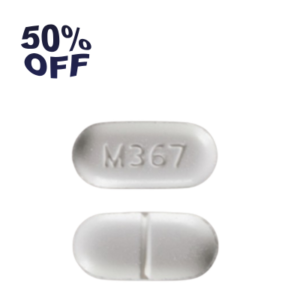

Description
What is Diazepam (Valium)?
Diazepam, commonly known by the brand name Valium, is a well-known medication used to treat conditions like anxiety, panic disorders, muscle spasms, seizures, and insomnia. It belongs to a group of medicines called benzodiazepines, which are known for their calming and relaxing effects on the body and mind.
Over the years, Diazepam has earned a strong reputation as a reliable treatment option due to its effectiveness in reducing stress, promoting relaxation, and helping people regain a sense of control over their symptoms.
How does Diazepam 10 mg work?
Diazepam works by calming the central nervous system (CNS). It enhances the effect of a natural chemical in the brain called GABA (gamma-aminobutyric acid), which helps slow down brain activity.
By boosting GABA’s calming effects, Diazepam reduces anxiety, relaxes muscles, prevents seizures, and can also help induce sleep. Most people begin to feel its effects within 30 to 60 minutes of taking the medication.
Mechanism of action
Diazepam binds to specific receptors in the brain and nervous system, increasing the inhibitory effects of GABA. This action helps:
- Reduce anxiety and nervous tension
- Relax muscles and relieve spasms
- Control seizures
- Promote sedation and relaxation
Overall, it creates a calming effect that helps both the body and mind feel more at ease.
Benefits of taking Diazepam
When used under medical supervision, Diazepam offers several therapeutic benefits:
- Helps manage anxiety and panic disorders
- Relieves muscle spasms and stiffness
- Controls seizures and convulsions
- Assists in alcohol withdrawal symptoms
- Provides relaxation before medical or surgical procedures
- Promotes better sleep in cases of insomnia
Because of its multiple uses, Diazepam is often prescribed for short-term relief of acute symptoms.
How should Diazepam be used?
Diazepam should always be taken exactly as prescribed by your doctor. General guidelines include:
- Take the tablet with or without food
- Follow the prescribed dosage—do not increase or decrease on your own
- Swallow the tablet whole with water
- Use it for short-term treatment unless advised otherwise
- Do not stop the medication suddenly without medical advice
Your doctor may adjust the dose based on your condition, age, and response to treatment.
Dosage guidelines
The dosage of Diazepam varies depending on individual needs. For many adults, 10 mg may be prescribed, but this can differ based on:
- Severity of symptoms
- Age and overall health
- Medical history
Older adults or individuals with liver or kidney conditions may require lower doses for safety. Always rely on your doctor’s recommendation for the correct dosage.
Side effects of Diazepam
Like any medication, Diazepam may cause some side effects. Common ones include:
- Drowsiness
- Dizziness
- Fatigue
- Blurred vision
- Nausea
- Constipation
These are usually mild and temporary. However, seek medical help immediately if you experience:
- Severe confusion or memory problems
- Hallucinations
- Difficulty breathing
- Trouble walking or coordination issues
Precautions before taking Diazepam
Before starting Diazepam, it’s important to keep the following in mind:
- Avoid alcohol, as it can increase drowsiness and side effects
- Inform your doctor about any other medications or supplements you are taking
- Use with caution if you have a history of substance abuse
- Do not drive or operate heavy machinery after taking it
- Consult your doctor if you are pregnant or breastfeeding
- Inform your doctor about any liver, kidney, or mental health conditions
Diazepam can be habit-forming if used for a long time, so it should always be taken responsibly.
Is Diazepam safe for everyone?
Diazepam is generally safe and effective when used under proper medical supervision. However, it may not be suitable for everyone, especially those with certain health conditions or a history of dependency.
Important: Diazepam should only be used as prescribed by a healthcare professional. Responsible use helps you get the benefits while reducing the risk of side effects, dependence, or withdrawal symptoms.